Cannabis waste management in Harford County, MD covers two very different problems. Licensed growers, processors, and dispensaries must follow a strict state destruction process for green waste. Everyone else, from homeowners to contractors to the businesses sharing a strip mall with a dispensary, just needs a dependable hauler for everyday trash, recycling, or a cleanout.
This guide walks through both, starting with the compliance side because that's where the real risk sits.
Visit Cathy's Cans, LLC to see our services and request a free estimate.
What Counts as Cannabis Green Waste in Maryland
Maryland's cannabis regulations define green waste broadly. It includes expired product, damaged or opened packaging, customer returns, contaminated inventory, and any spilled or unusable plant material from cultivation or processing.
None of this can go in a dumpster the way household trash does. State rules require every bit of it to be rendered unusable and unrecognizable before it ever leaves a licensed facility.
Statewide volume is already significant. Maryland cannabis companies reported tossing a little over 29 tons of green waste in 2022, according to the Maryland Cannabis Administration, a total that has expanded since adult-use sales began . Harford County-specific tonnage isn't broken out in public reporting, so operators here should confirm current volumes and rules directly with the Maryland Cannabis Administration's green waste disposal procedures rather than assume last year's process still applies.
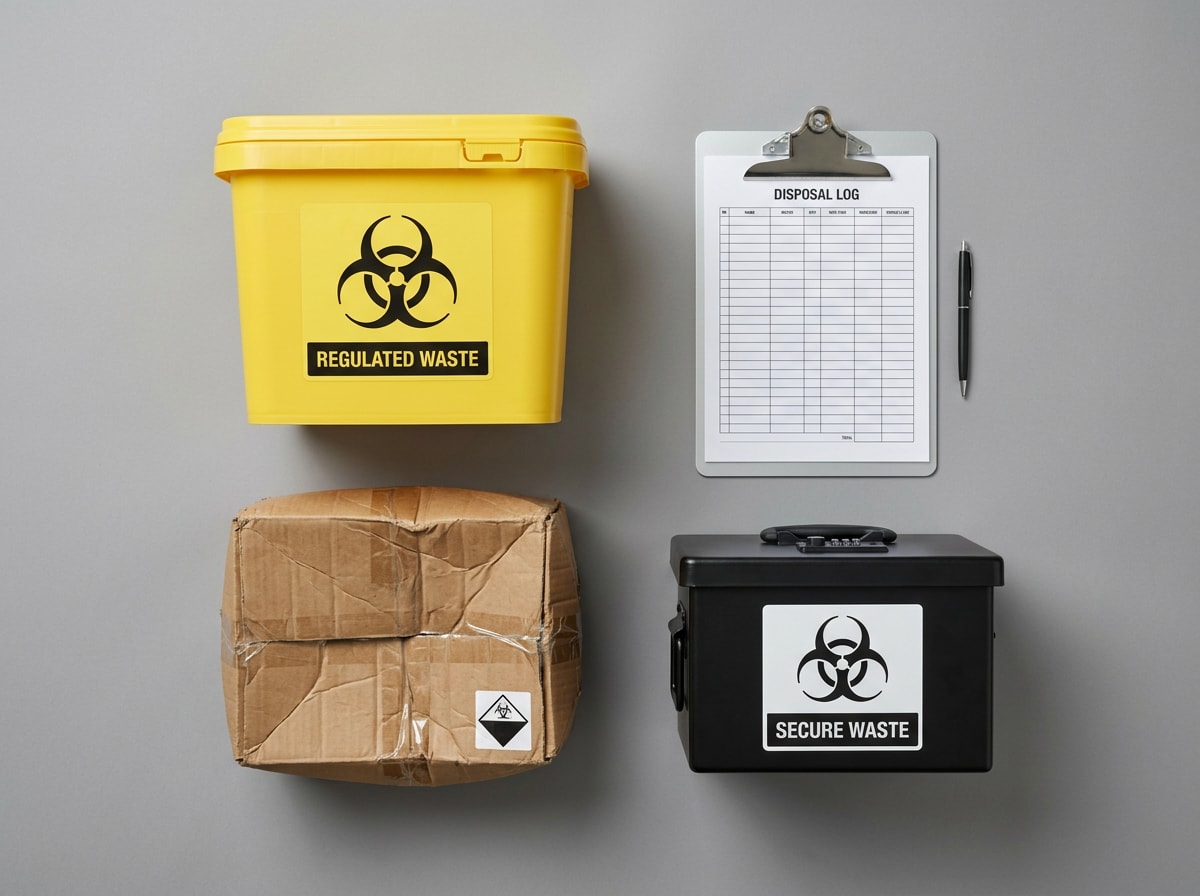
How Maryland Requires Green Waste to Be Destroyed
Every licensed cannabis business needs a written Standard Operating Procedure for waste. At minimum, it has to define approved destruction methods, assign staff roles, and set recordkeeping rules that hold up to an inspection.
A compliant disposal log typically needs to capture:
- Product name and the last digits of its metric tag number
- Weight or quantity being disposed of
- Date and time the waste entered a container and when it left the facility
- Method of destruction, such as grinding and mixing with a non-cannabis material
- The staff member who disposed of it and the staff member who verified it
Destruction areas should stay secure and monitored, often under video surveillance, and logs need to be available for immediate review by regulators. Code of Maryland Regulations 14.17.10.05 spells out the underlying requirement: growers and processors must accept returned product, record it as green waste, and destroy it according to their own approved SOP. A documented process protects a license far more than an informal one ever will.
Licensed Haulers vs. Self-Managed Disposal
Cannabis businesses aren't required to use a third-party waste company. State guidance confirms operators can handle destruction in-house as long as they follow the approved procedure, or they can contract it out to a registered hauler.
Each path has trade-offs worth weighing before you lock in a disposal plan.
| Approach | Upfront Cost | Labor/Audit Risk | Best For |
|---|---|---|---|
| Self-managed on-site destruction | Lower | Higher. Staff time, video monitoring, and log accuracy fall on you | Smaller operators with tight SOPs already in place |
| Registered third-party hauler | Higher | Lower. Hauler typically handles chain-of-custody documentation | Operators that want liability and recordkeeping shifted off-site |
If you outsource, verify the hauler's state registration and ask for destruction logs and compliance verification documentation before signing anything. A disposal plan is only as good as the paperwork behind it.
Hazardous Waste Rules Still Apply Alongside Cannabis Rules
Cannabis compliance doesn't replace a dispensary or cultivation facility's other obligations. Extraction solvents, contaminated adsorbents, and certain cleaning chemicals can trigger separate hazardous waste requirements under state and federal law.
Businesses that generate hazardous waste in Maryland must identify it, obtain an EPA ID number before shipping it off-site, and meet packaging, labeling, and manifest requirements. The Maryland Department of the Environment's hazardous waste program outlines generator categories and storage limits that apply regardless of whether the business also handles cannabis green waste.
Where Harford County Handles Everything Else
Non-cannabis waste in Harford County runs through a completely different system. Household trash, recyclables, yard debris, and construction debris go to county-run or licensed private facilities, not through the cannabis destruction process.
The county's own disposal site, the Harford Waste Disposal Center, handles residential drop-off, the landfill, and the mulch and compost operation. It's open Monday through Saturday, and Saturdays run heavy with wait times that can stretch past an hour, so plan around that if you're hauling a load yourself.
For businesses near a licensed dispensary, grow operation, or testing lab, it's worth noting: the facility's regular commercial dumpster can still handle ordinary office trash, break-room waste, and packaging that never touched cannabis product. Mixing the two waste streams is one of the more common compliance mistakes we see.
Residential and Commercial Waste Services in Harford County
Beyond cannabis compliance, most Harford County households and businesses just need routine pickup, a cleanout dumpster, or a reliable commercial account. That's the service side of this guide, and it's where most readers end up regardless of why they started searching.
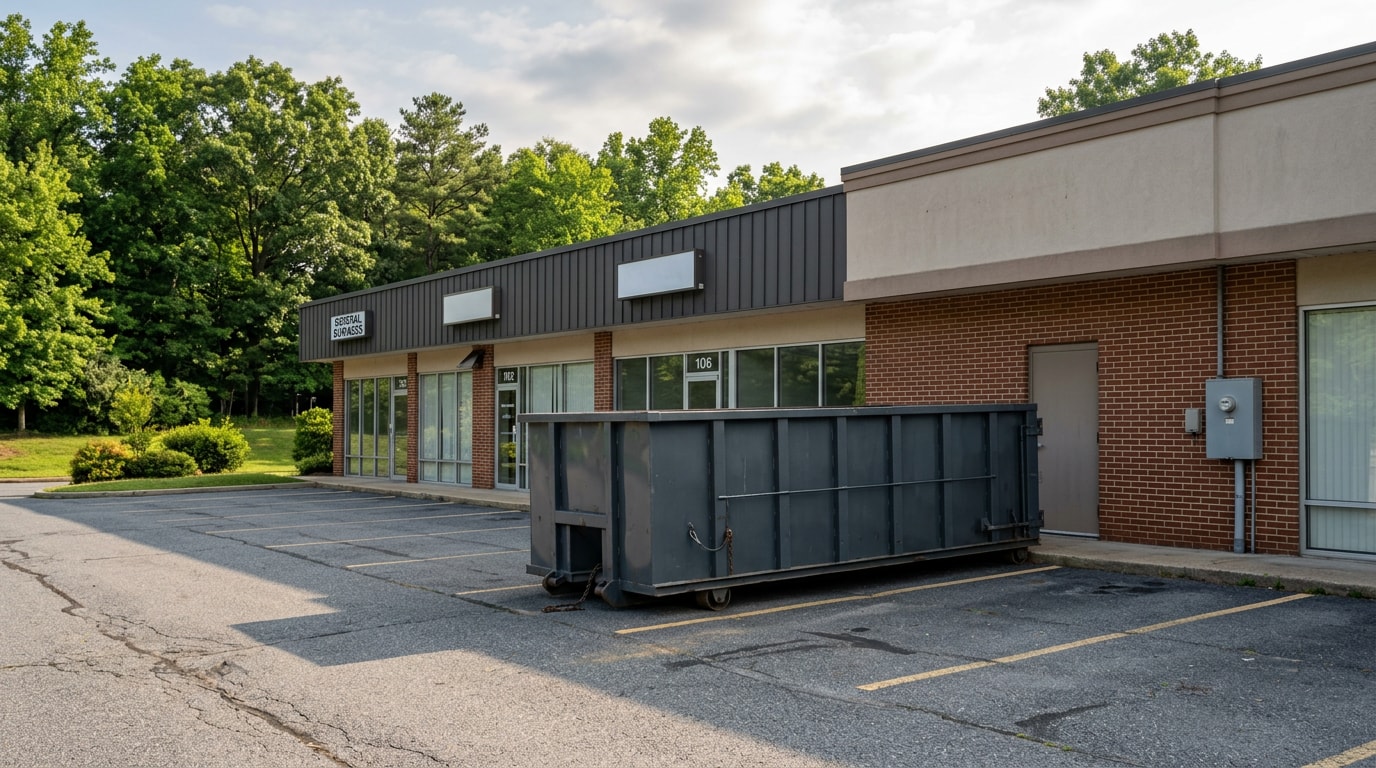
In the renovation and cleanout dumpsters we've placed near Harford County commercial strip centers that house licensed dispensaries, the most common mistake isn't a destruction error. It's property managers tossing cannabis packaging waste into the shared roll-off instead of keeping it separate for the tenant's own SOP log. A five-minute conversation before the dumpster drops usually prevents it.
Roll-Off Dumpsters for Cleanouts and Renovations
A roll-off dumpster works well for home cleanouts, renovations, or contractor debris on a job site. Scheduling is usually a quick call specifying the project size and an estimated drop-off window.
- Residential projects: basement cleanouts, roof tear-offs, garage purges, and moving debris. See our residential dumpster rental options for sizing and scheduling.
- Commercial and contractor projects: renovations, tenant buildouts, and ongoing job-site debris. Our commercial dumpster rental page covers plans for recurring and one-time pulls.
- Full-service options: scheduled trash pickup, recycling, and yard waste removal for households that don't need a dumpster at all.
You can browse the full lineup on our waste management service page, or check recent local work on our projects page to see how pulls are typically scoped in this area.
If your household or business is also sorting out recycling rules separate from trash, our guide on recycle bins near me in Harford County, MD breaks down curbside versus drop-off options in more detail.
We serve Harford County, MD directly, along with neighboring Baltimore, Howard County, and Anne Arundel County. Visit our homepage for a full service overview, or get a free estimate for your next pickup or dumpster rental.
FAQ
What is cannabis green waste in Maryland?
It's any unauthorized, misbranded, contaminated, unused, surplus, returned, or out-of-date cannabis product. That includes stems, buds, damaged packaging, and spilled or unusable plant material from cultivation or processing.
How must licensed cannabis businesses destroy green waste in Harford County?
The same way they must statewide. Maryland requires green waste to be rendered unusable and unrecognizable, typically by grinding it and mixing it with a non-cannabis material, with the process logged and often recorded on video.
Can a regular Harford County trash hauler pick up cannabis waste?
No. Ordinary residential or commercial haulers generally cannot accept cannabis green waste the way they handle household trash. It has to go through an approved destruction process first, either on-site or through a registered cannabis waste hauler.
Do I need a special license to haul cannabis waste in Maryland?
Third-party haulers need proper ancillary business registration with the state before handling cannabis green waste. Cannabis businesses themselves aren't required to use a hauler at all; they can self-manage destruction if they follow the approved SOP.
What happens if a dispensary fails to follow Maryland's green waste rules?
Noncompliance can trigger fines, compliance citations, or license suspension. Inspectors can request disposal logs at any time, so incomplete or missing records are a common source of violations.
Where do Harford County residents and businesses take regular household or construction waste?
Regular trash, recycling, yard debris, and construction debris go to the Harford Waste Disposal Center or through a licensed private hauler, not through the cannabis destruction process. Scheduled residential pickup and roll-off dumpster rentals are also available through local waste companies.
---
Written by the service team at Cathy's Cans, which provides residential and commercial dumpster rental and waste pickup across Harford County and the greater Baltimore area. Questions about a specific project? Contact us directly.